
A recent invitation to write a chapter on “Monuments and Memorialization” for the Handbook of Heritage and Tourism, a book to be published by Routledge, led me to the study of monuments, their history, and why they are so important to us.
How we view monuments, sometimes referred to as “heritage,” reflects who we are today and how we see and connect to the past, described by the English historian Peter Laslett, in 1965, as “the world we have lost.”
The word “monument” originated with the Latin “monumentum,” from the verb “monere,” meaning to recall or to note. Monuments may be public or private, though those most visited are public. The most visited monument in the United States, in 2024, according to an AI source, was the Lincoln Memorial, with some 8.5 million visitors.
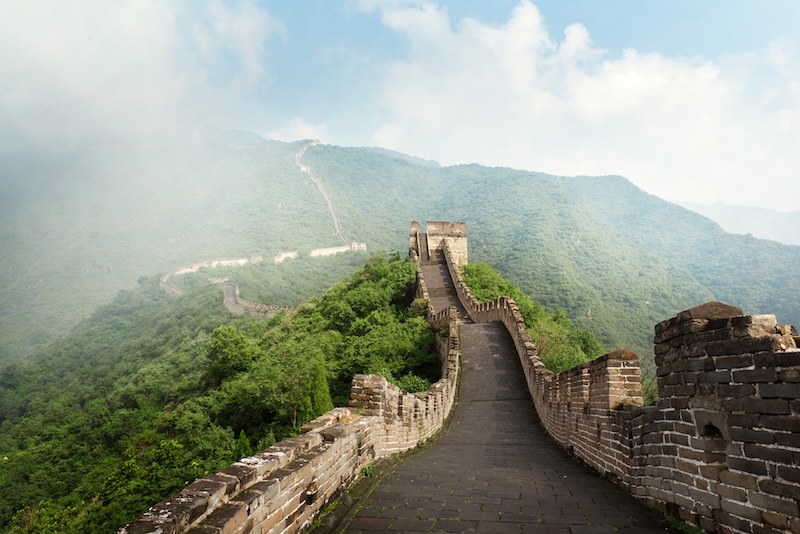
Monuments may be built specifically to be remembered, as were the ancient Egyptian pyramids, created to remember the dead. Others, built originally for different purposes, have become monuments. Constructed as a network of defensive fortifications, China’s Great Wall became a monument through its memorialization, largely by the millions of tourists through the centuries.
A series of events during the 1960s and 70s contributed to what has sometimes been called a “memory boom.” In 1964, the Venice Charter, drawn up by the Second International Congress of Architects and Technicians of Historic Monuments, which met there that year, declared that “the historic monuments of generations of people remain to the present day as living witnesses of their age-old traditions.” ICOMOS (the International Council on Monuments and Sites), was founded in 1965 as a non-governmental organization with the same guidelines. In 1972, the creation of UNESCO’s “world heritage sites,” added to the focus on memory with its selection of sites based largely on nominations made by ICOMOS.
The year 2009 saw the publication of The Monuments Men: Allied Heroes, Nazi Thieves and the Greatest Treasure Hunt in History, a book by Robert M. Edsel, which told the story of Allied soldiers charged with saving monuments from destruction by the Nazis during World War II. It was made into a film in 2014. Having written about Vichy as a spa town, I was privileged to serve as a reviewer in the nomination process of “The Great Spas of Europe” for its inscription on the 2020 World Heritage List.
Bertram Gordon is professor emeritus of history at Mills College. He is also an OLLI member, faculty member and volunteer. He can be reached at bmgordon@berkeley.edu.